


Indication
MOTS-c is a mitochondria-derived peptide encoded by mitochondrial DNA and increasingly studied for its role in systemic metabolic regulation, cellular stress resistance, and energy homeostasis. Unlike traditional peptides synthesized from nuclear DNA templates, MOTS-c originates from the mitochondrial genome, which gives it a unique biological role in regulating intracellular metabolism.
MOTS-c is primarily indicated in research protocols focused on metabolic dysfunction, including impaired glucose utilization, reduced insulin sensitivity, and age-associated metabolic decline. Additionally, it has been explored in contexts involving mitochondrial inefficiency, reduced physical endurance, and cellular adaptation to metabolic stress.
Because MOTS-c influences fundamental cellular energy pathways rather than isolated hormonal axes, it is commonly positioned within protocols aiming to improve metabolic flexibility, enhance glucose tolerance, and support long-term metabolic resilience. Its potential applications extend to studies on obesity-related metabolic imbalance, insulin resistance, and mitochondrial aging.
Contra-Indications
Despite its endogenous origin, MOTS-c is not appropriate for unrestricted use. Contra-indications include individuals with known hypersensitivity to synthetic peptide compounds or excipients used in peptide preparation. Patients with active malignancies, particularly those involving altered metabolic signaling, should avoid exposure unless under strict medical supervision.
MOTS-c use is contraindicated during pregnancy and lactation, as its effects on fetal and neonatal mitochondrial signaling have not been sufficiently evaluated. Individuals with unstable endocrine disorders, severe hepatic or renal impairment, or advanced autoimmune disease should not utilize MOTS-c without medical oversight.
Because MOTS-c affects metabolic pathways that intersect with insulin signaling, caution is required in subjects with poorly controlled diabetes or hypoglycemia-prone conditions.
Administration
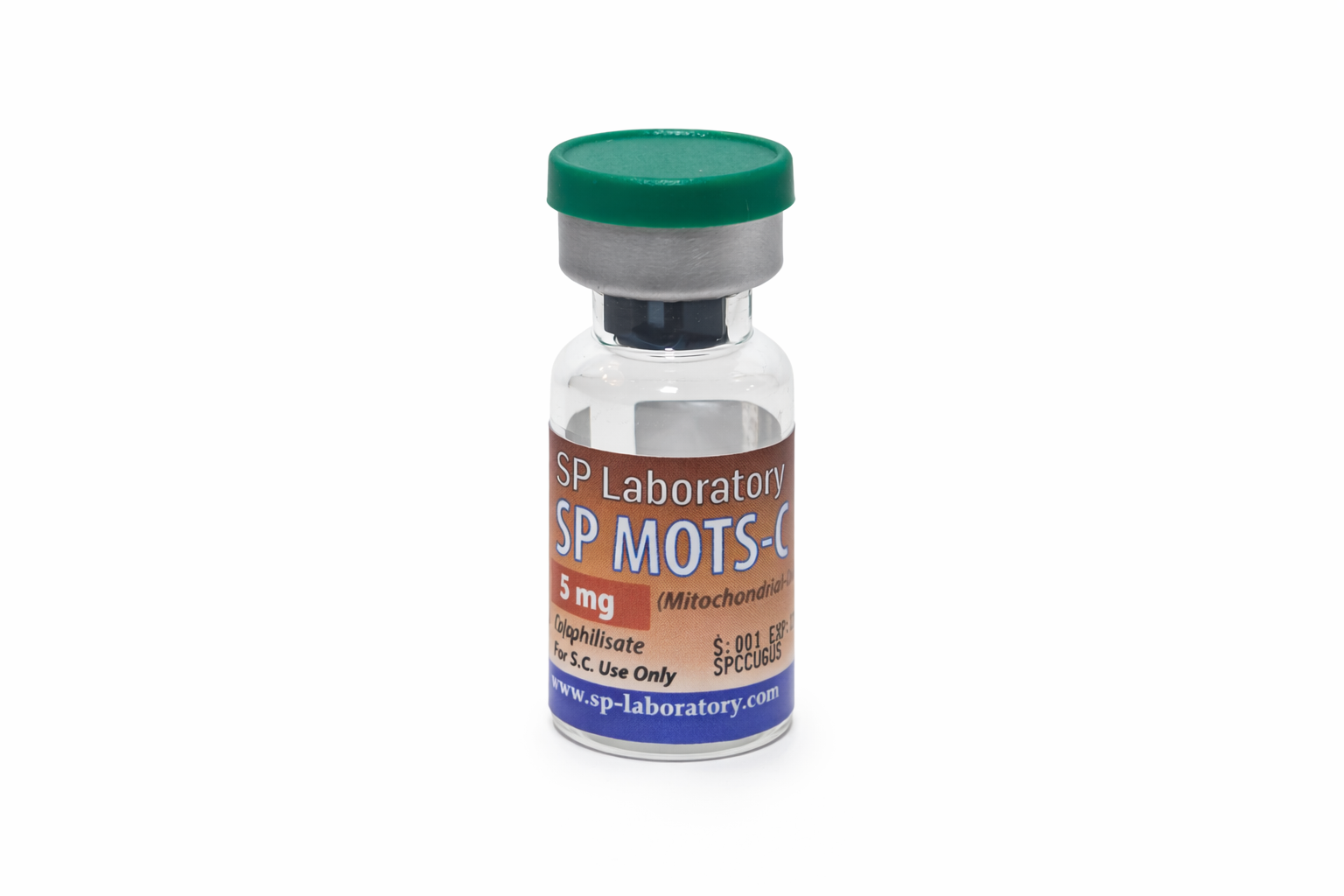
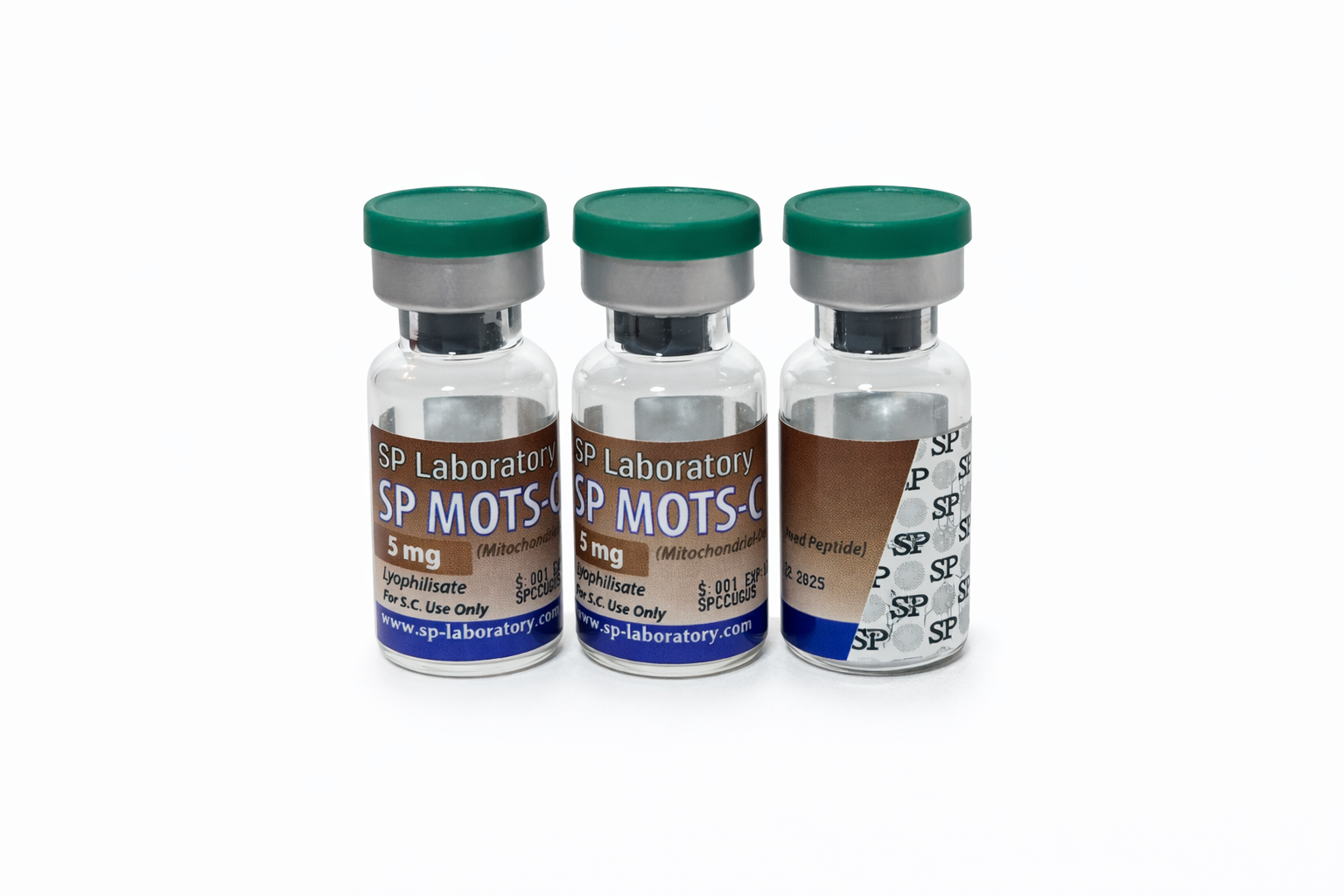
SP MOTS-c 5 mg is supplied as a lyophilized peptide requiring reconstitution with sterile bacteriostatic water prior to administration. Following reconstitution, the solution should remain clear and free of particulate matter.
Administration is typically subcutaneous, allowing for controlled systemic absorption. Research protocols vary widely, with dosing schedules adjusted according to metabolic response, body composition, and experimental objectives. Due to its influence on metabolic signaling, MOTS-c is often administered in structured cycles rather than continuous long-term exposure.
Proper aseptic technique is essential during reconstitution and injection to minimize contamination and ensure peptide stability.
Medical Action
MOTS-c exerts its biological effects primarily through activation of cellular energy-sensing pathways, most notably AMP-activated protein kinase (AMPK). AMPK functions as a master regulator of cellular energy balance, responding to changes in ATP availability and directing cells toward efficient energy utilization.
By activating AMPK, MOTS-c enhances glucose uptake, promotes fatty acid oxidation, and suppresses pathways associated with metabolic inefficiency. Furthermore, MOTS-c influences nuclear gene expression by translocating to the nucleus under metabolic stress conditions, where it modulates transcriptional programs related to energy metabolism and cellular protection.
At the mitochondrial level, MOTS-c supports improved oxidative capacity and reduces susceptibility to metabolic stress. These actions collectively improve metabolic flexibility, allowing cells to adapt more efficiently to fluctuations in nutrient availability and energetic demand.
Importantly, MOTS-c does not act as a stimulant nor does it directly alter hormonal secretion. Instead, it recalibrates intracellular metabolic signaling, making its effects gradual, cumulative, and fundamentally restorative.
Precautions
Due to its metabolic effects, careful consideration should be given to nutritional intake, physical activity level, and baseline metabolic health. Individuals with insulin sensitivity issues should monitor blood glucose levels during protocol initiation.
Gradual introduction is advised to assess individual tolerance. Concurrent use with other metabolic agents should be approached cautiously to avoid excessive pathway activation. Storage conditions must be strictly observed to preserve peptide integrity.
Side Effects
Reported adverse effects associated with MOTS-c are generally mild and transient. These may include temporary fatigue during early protocol stages, localized irritation at the injection site, or short-term appetite modulation.
Because MOTS-c influences energy metabolism, some individuals may experience changes in perceived energy levels as cellular adaptation occurs. Serious adverse reactions are rare when protocols are appropriately structured.
Conclusion
SP MOTS-c 5 mg represents a novel class of mitochondrial peptides with significant implications for metabolic research. By targeting fundamental energy-regulating pathways, MOTS-c supports metabolic efficiency, cellular resilience, and adaptive capacity without hormonal disruption.
Its unique mitochondrial origin and non-stimulatory mechanism make it a valuable tool in advanced metabolic protocols focused on long-term cellular health rather than acute performance enhancement.




Reviews
There are no reviews yet.