


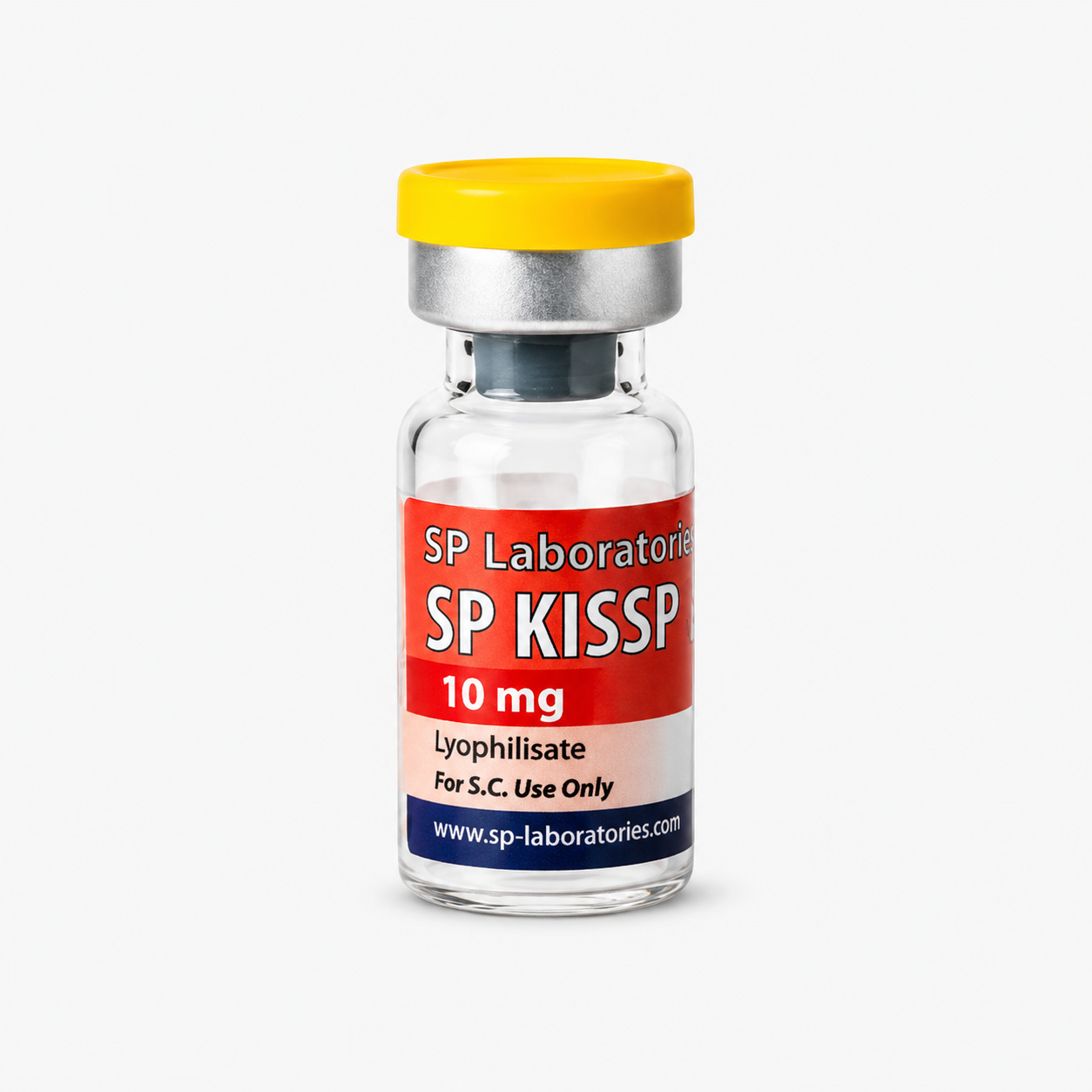
SP Kisspeptin 10 mg is a lyophilized peptide studied for its role in reproductive endocrinology and regulation of the hypothalamic-pituitary-gonadal axis. The compound interacts with the KISS1R receptor, also known as GPR54, and contributes to the biological control of gonadotropin-releasing hormone.
After activating receptors in the hypothalamus, Kisspeptin influences GnRH signaling. GnRH then communicates with the pituitary gland, which regulates the release of luteinizing hormone and follicle-stimulating hormone. LH and FSH are involved in reproductive function, gonadal activity, fertility-related pathways, and endogenous hormone production.
Unlike exogenous testosterone or other directly administered hormones, this peptide acts near the beginning of the endocrine signaling pathway. It does not directly replace testosterone. Instead, researchers examine how it may affect communication between the hypothalamus, pituitary gland, and reproductive organs.
SP Kisspeptin 10 mg is commonly investigated in studies involving reduced hormonal signaling, hypothalamic activity, reproductive function, LH and FSH secretion, and natural testosterone production. Scientific interest also extends to its possible relationship with libido, reproductive behavior, emotional processing, and metabolic regulation.
Potential research areas include:
- GnRH signaling
- Luteinizing hormone release
- Follicle-stimulating hormone production
- Endogenous testosterone synthesis
- Reproductive endocrine communication
- Hypothalamic and pituitary function
- Fertility-related pathways
- HPG-axis regulation
The product is supplied as a lyophilized powder. Appropriate sterile handling procedures should be followed to protect peptide stability and product integrity. Storage conditions should follow the information provided on the packaging and in the manufacturer’s documentation.
Published research suggests that acute stimulation may produce different results from prolonged exposure. Biological responses can also vary according to dose, protocol design, baseline hormone levels, and individual endocrine status. Therefore, results from one study should not automatically be applied to every user or protocol.
Reported reactions in research settings may include mild injection-site irritation, temporary headaches, flushing, short-term changes in libido, mood fluctuations, and temporary changes in energy levels. Individuals with hormone-sensitive conditions, severe endocrine disorders, pituitary dysfunction, hypothalamic abnormalities, pregnancy, lactation, or hypersensitivity to peptide compounds should seek qualified medical guidance.
SP Kisspeptin 10 mg is intended for research involving GnRH, LH, FSH, endogenous hormone signaling, reproductive endocrinology, and the HPG axis. Its upstream mechanism makes it relevant for examining natural endocrine communication rather than direct hormone replacement.
Reviews
There are no reviews yet.